Avoid fines when placing funeral flowers on Blackheath Common
Posted on 12/10/2026
Placing funeral flowers should feel simple, respectful, and unhurried. But if you are planning to leave a wreath, sheaf, or tribute on Blackheath Common, there is one thing worth sorting out first: making sure the flowers are placed in a way that does not create a problem, or even lead to a fine. In practice, that usually means understanding where public land ends, what is allowed, and how to keep the tribute safe, tidy, and considerate.
This guide explains how to avoid fines when placing funeral flowers on Blackheath Common without making the process feel complicated. You will find clear steps, common mistakes, practical etiquette, and a few sensible checks that are easy to miss when emotions are running high. Truth be told, this is one of those things that sounds minor until you are standing there with flowers in your hand, a bit overwhelmed, and unsure what the right move is.
Here is the short version: be considerate, keep clear of anything that could block access or damage the site, and confirm the arrangement fits local expectations before you place it. That is usually enough to steer clear of trouble.
Why this matters on Blackheath Common
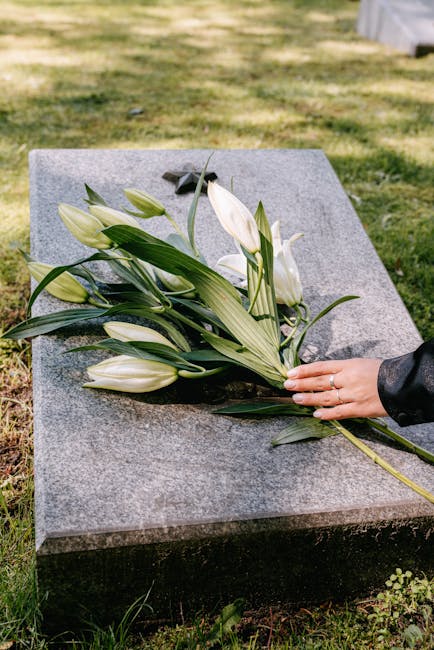
Blackheath Common is a public open space, which means it is not a private memorial garden where you can place anything wherever you like. That matters because public spaces are usually managed with access, safety, cleanliness, and shared use in mind. A small floral tribute can be perfectly appropriate, but if it is left in the wrong spot, too close to a path, or in a way that looks abandoned, it may be removed or cause a complaint.
For families, the risk is not just about money. It is also about dignity. Nobody wants a tribute moved aside, trampled, or cleared away by mistake. And nobody wants to turn a moment of remembrance into a dispute over where flowers can go. A little preparation protects the tribute and gives you peace of mind. That calm matters more than people admit.
There is also a practical side. Public land is used by walkers, cyclists, dog owners, and events. Even a modest arrangement can become a trip hazard if it is left on a narrow edge or near a busy route. If flowers are tied to fencing, railings, or landscape features without permission, that can create another issue. So the goal is simple: keep the tribute respectful, visible, and unobtrusive.
Expert summary: the safest approach is to treat Blackheath Common as shared public space first and a place of remembrance second. That means checking placement, keeping access clear, and using a tribute style that sits neatly rather than spreading outward.
How this works on Blackheath Common
In most cases, placing funeral flowers on a common or green space follows a few common-sense principles. You choose a suitable location, keep the tribute tidy, and avoid anything that could interfere with public use or maintenance. That may sound broad, because it is broad. Public spaces are often managed with local rules, and those rules can vary depending on the landowner or the body responsible for the area.
The key point is that flower placement is usually acceptable when it is discreet and does not create a hazard or nuisance. A funeral spray or wreath laid neatly at a memorial point is very different from flowers tied to trees, left across access points, or placed in a way that blocks mowing, cleaning, or foot traffic. The difference is small on paper, but large in real life.
If you are unsure, the best approach is to use the most modest option that still feels meaningful. A posy, wreath, or compact spray is often easier to place respectfully than a larger display. For many families, that is enough. It says what needs saying, without causing complications.
When timing matters, it helps to think in terms of the day itself. Early morning or later in the day can be calmer, especially if the area is busier around lunchtime or on a sunny weekend. You do not need to make a ceremony out of the logistics, but a few extra minutes of thought can save a lot of uncertainty.
Key Benefits and Practical Advantages
Getting the placement right does more than help you avoid a fine. It makes the whole experience easier for everyone involved. Here are the main practical benefits.
- Less risk of removal: a tidy, appropriate tribute is less likely to be moved by maintenance teams or members of the public.
- Better respect for the memorial: the flowers remain a dignified part of the farewell rather than becoming a nuisance.
- Fewer misunderstandings: clear placement reduces the chance of someone assuming the tribute has been abandoned.
- Safer for visitors: keeping paths and open areas clear helps avoid trip hazards and complaints.
- Less stress on the day: you can focus on the person being remembered rather than worrying about rules.
There is a quieter benefit too. When flowers are placed carefully, they tend to stay where they were intended. That simple fact can be reassuring. In moments of grief, a small sense of order goes a long way.
Many people also find that planning ahead helps them make better choices about the arrangement itself. A tighter wreath, a sheaf with secure stems, or a tribute card attached neatly often works better than a display that needs constant adjustment in windy weather. And yes, Blackheath can get its share of gusts. British weather likes to keep everyone humble.
Who This Is For and When It Makes Sense
This guidance is for anyone arranging funeral flowers for a remembrance, burial, burial visit, graveside moment, or informal tribute on or near Blackheath Common. It may be especially useful if you are:
- organising flowers for a funeral taking place nearby
- visiting a memorial point on the Common
- placing flowers on behalf of a family member who cannot attend
- choosing between a larger tribute and a smaller, easier-to-place arrangement
- trying to make sure the flowers are respectful and compliant in a public space
It also makes sense if you are not familiar with local expectations. That is completely normal. Most people do not spend their lives learning how public open spaces are managed, and frankly, why would they? What matters is that you know enough to avoid accidental problems.
If you are arranging flowers at short notice, the pressure can be even greater. A same-day or next-day decision can leave very little time for checking details. In that situation, keep the arrangement simple, carry it in protective packaging, and avoid improvising once you arrive. A calm, steady approach beats rushing every time.
Step-by-Step Guidance
Use this practical sequence to reduce the risk of fines, removal, or awkward surprises when placing funeral flowers on Blackheath Common.
- Confirm the exact place you plan to visit. Do not assume every part of the Common is treated the same. A memorial spot, roadside edge, open grass area, and boundary path may all be handled differently.
- Choose a compact, respectful tribute. Wreaths, sprays, posies, and baskets are usually easier to place neatly than loose stems or oversized arrangements.
- Keep access clear. Do not place flowers across footpaths, entrances, gates, or narrow walking routes.
- Avoid attaching items to trees, railings, or other structures unless you know it is allowed. That is one of the quickest ways to create a problem.
- Check the ground conditions. Wet grass, uneven edges, or windy weather can make a tribute unstable or messy.
- Leave it tidy. Remove packaging, elastic bands, cellophane, and any loose ribbon that could blow away.
- Attach a card clearly. If the flowers may be handled or moved, a simple card helps identify the tribute and reduces confusion.
- Return later if needed. If you are worried about the placement, a second visit can help you straighten the tribute or remove it before it becomes untidy.
If you want the practical version in one line: plan the tribute, place it neatly, and do not make the site harder to use for other people. That is the heart of it.
One small tip that people often miss: bring a bag for any packaging or wrapping. It sounds obvious, but in grief and hurry, even obvious things go missing. A neat finish matters more than you think.
Expert Tips for Better Results
Over the years, the best results usually come from the same few habits. Nothing flashy. Just careful, considerate choices.
Pick the right size for the space
A large tribute can be beautiful, but if the setting is modest, smaller often works better. A medium wreath or compact spray can look more elegant than something oversized that dominates the area. For public land, restraint is often the kinder choice.
Think about weather and durability
If it is a damp day, choose flowers that cope well with a bit of moisture. If it is windy, avoid very loose arrangements. Secure stems and strong mechanics matter. Roses, chrysanthemums, lilies, and carnations are often used in funeral tributes because they generally hold shape well, though the final choice depends on the style and meaning you want.
Keep the message simple
A short card message is usually more effective than a long one. The same goes for the tribute itself. Clean, direct, and heartfelt usually wins. No need to overcomplicate it.
Use professional delivery if timing is tight
If you are not sure you can get the flowers to the right place in good condition, consider using a local florist with reliable delivery. That can reduce the risk of damage, last-minute panic, and missed timings. It is one less thing to juggle on an emotional day.
For families who want a ready-made sympathy tribute, a dedicated selection such as funeral flowers in Blackheath SE3 can make the choice much simpler. You can also look at specific arrangements like funeral flowers or a gentler option such as sympathy flowers if you want something less formal.
Common Mistakes to Avoid
Most issues happen because people are grieving, rushing, or simply unfamiliar with the space. That is understandable. Still, a few recurring mistakes are worth flagging.
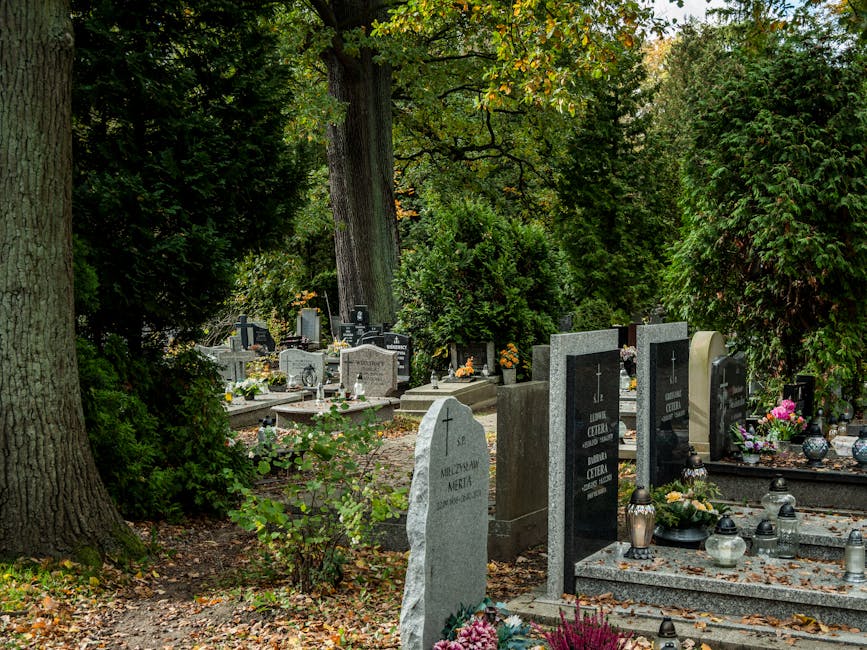
- Leaving flowers across a path: even a small arrangement can be a trip risk if it sits in the wrong place.
- Assuming the area is unrestricted: public land is not the same as a private memorial plot.
- Tying tributes to trees or railings without permission: this can be treated as unauthorised placement.
- Using fragile wrapping outdoors: packaging can blow away and look untidy very quickly.
- Choosing a tribute that is too large for the spot: oversized displays can be awkward on narrow or shared ground.
- Forgetting to check for removal timings: some public spaces are maintained regularly, so long-term placement may not stay where you put it.
- Ignoring weather: wind and rain can shift cards, topple stems, or scatter petals.
A subtle mistake, but an important one, is leaving flowers without any sign of who they are for. In a public place, that can make them look abandoned. A simple note or tribute card helps show that the flowers are intentional and meaningful, not just forgotten. Little thing, big difference.
Tools, Resources and Recommendations
You do not need specialist equipment to place funeral flowers properly, but a few practical items make life easier:
- Flower bag or box: keeps the tribute stable during travel
- Water source or hydration wrap: useful if you are travelling before placement
- Securing ribbon or card loop: helps the message stay attached
- Clean cloth or tissue: useful for wiping stems or hands before placing the tribute
- Weather-appropriate outer packaging: protects the arrangement in rain or wind
- Phone notes: handy for recording the exact location or any guidance you receive
If you are arranging the flowers through a florist, you may also want to review the delivery and care information first. A service like delivery information can be helpful if the tribute needs to arrive at a specific time, and flower care guidance is useful if you are transporting the flowers yourself or want them to last longer after placement.
For people who want a more understated or budget-conscious tribute, options such as budget flowers or a simple basket or posy can feel appropriate without being too elaborate. On the other hand, if the tribute is for a very close family member, a more structured wreath or spray may feel right. There is no single correct answer. The best choice is the one that fits the person and the place.
Law, Compliance, Standards, or Best Practice
Because Blackheath Common is public land, basic public-space expectations apply. That means avoiding obstruction, nuisance, damage, and unsafe placement. You do not need to become a legal expert to get this right, but you should assume that unauthorised items can be removed and that placing flowers in a way that interferes with the space may not be permitted.
In plain English, the safest working standard is this: if the tribute is neat, temporary, non-damaging, and does not block people or maintenance, it is far less likely to cause a problem. If it is attached, spread out, or left in a way that affects access or upkeep, the risk rises. That is the practical reality.
Best practice usually includes:
- keeping tributes temporary unless you know otherwise
- avoiding damage to grass, trees, furniture, or paths
- not placing anything that could trip someone
- respecting cleaning and maintenance activity
- using a style of tribute appropriate to a shared public setting
If you are arranging flowers for a funeral gathering or memorial near the Common, it is also sensible to keep the tone respectful and restrained. Even when the tribute is deeply personal, the space itself is shared. That balance matters.
Options, Methods, or Comparison Table
Not every tribute suits every situation. Here is a simple comparison to help you choose a format that is less likely to cause issues on Blackheath Common.
| Tribute type | Best for | Practical notes | Risk level on public ground |
|---|---|---|---|
| Wreath | Formal remembrance | Compact, stable, and easy to place neatly | Low if positioned sensibly |
| Spray | Funeral service or memorial | Good visual impact without taking up much space | Low to medium |
| Posy | Simple, personal tribute | Small and discreet, often easiest to manage | Low |
| Basket | Longer-lasting display | Can look tidy, but watch for stability on uneven ground | Low to medium |
| Loose flowers | Informal remembrance | Can look thoughtful but may spread or blow away | Medium |
| Attached tribute | Rarely ideal without permission | Often risky if tied to trees, railings, or fences | High |
As a rule of thumb, the more self-contained the tribute, the easier it is to place without complications. That is why wreaths, sprays, and posies are often the safer choices in a public setting.
Case Study or Real-World Example
A family wanted to leave funeral flowers for a relative who had a strong connection to Blackheath. They were not sure whether they could place the flowers on the Common itself or whether that might cause a problem. Rather than turning up with a large arrangement and hoping for the best, they chose a medium wreath, kept the packaging minimal, and arrived a little earlier than planned.
When they got there, they looked for a quiet edge of the space rather than the busiest footpath. They also made sure the tribute did not lean into the walking route and that the message card was secure. Simple enough, but that small bit of care made the whole thing feel calm instead of awkward.
Later that day, the family said the flowers had stayed neat and undisturbed. More importantly, they did not have to wonder if they had crossed a line. That is the real value here. Not perfection. Just quiet confidence.
Could they have gone bigger? Probably. Would that have helped? Not really. A considerate tribute, placed with a bit of judgement, was enough.
Practical Checklist
Use this checklist before you place funeral flowers on Blackheath Common:
- Have you confirmed the exact spot you want to use?
- Is the tribute compact enough for a shared public space?
- Will it avoid paths, entrances, and high-traffic areas?
- Are you avoiding trees, railings, and other structures unless permission is clear?
- Is the arrangement stable in wind or light rain?
- Have you removed loose packaging and anything that could blow away?
- Is there a card or note identifying the tribute?
- Do you know who to contact if you need clarification before placing it?
- Have you chosen a time when the area is likely to be calmer?
- Do you have a plan for collecting the flowers later if needed?
If you can tick most of those off, you are usually in a good place. Not perfect, but good enough to move forward with confidence.
Conclusion
To avoid fines when placing funeral flowers on Blackheath Common, the best approach is straightforward: keep the tribute respectful, temporary, and safely out of the way. Choose a compact arrangement, avoid attaching flowers to anything unless you know it is allowed, and think about how the space is used by other people. That kind of care protects both the tribute and the day itself.
In moments like this, small details matter more than usual. A secure card, a neat placement, a quick check of the ground, a little patience in the wind. None of it is dramatic. All of it helps.
If you want the process to feel easier, choose a florist or tribute style that suits the setting and lets you focus on the person you are remembering. And if you are still unsure, that is completely normal too. Better to pause, ask, and place the flowers with confidence than rush and regret it later.
Get a free quote today and see how much you can save.
Quiet care goes a long way, and in the end that is what people remember.
Frequently Asked Questions
Can I place funeral flowers anywhere on Blackheath Common?
No, not anywhere. The Common is public land, so the safest approach is to place flowers only where they do not block access, create a hazard, or interfere with maintenance. If you are unsure, choose a discreet spot and keep the tribute compact.
Do funeral flowers on public land ever get removed?
Yes, they can. If flowers are left in a way that looks abandoned, obstructive, or unsuitable for a shared space, they may be cleared by those managing the area. A neat tribute with a card is less likely to be mistaken for litter.
What type of funeral tribute is safest for Blackheath Common?
Generally, a wreath, spray, or posy is easier to manage than a large or loose display. These options tend to sit more neatly and are less likely to drift, spread, or become untidy in the weather.
Could I be fined for leaving funeral flowers there?
It is possible in situations where placement breaches local rules or causes an issue on public land. The better question is how to avoid that risk entirely: keep the tribute respectful, temporary, and out of the way of other users.
Is it okay to tie flowers to a tree or railing on the Common?
Not unless you know it is permitted. Attaching items to trees, railings, or similar features can create maintenance, safety, or damage issues. When in doubt, place the tribute on the ground in a tidy, stable way.
How do I know if the flowers are in the right place?
Use common sense and ask yourself whether someone walking past could trip on them, whether they block a route, and whether the tribute looks intentional and temporary. If the answer feels uncertain, move them to a quieter, safer spot.
Can a florist help with this?
Yes. A local florist can usually guide you toward a suitable tribute size and help with delivery timing, packaging, and presentation. That is especially useful if you are arranging flowers quickly or do not know the area well.
What should I write on the card?
Keep it short and heartfelt. A simple message such as a name, relation, or brief phrase of remembrance is usually enough. In a public setting, a clear card also helps show the flowers are there intentionally.
What if the weather is bad on the day?
Choose a more stable arrangement and reduce loose packaging. Wind and rain can quickly undo a careful display, so it helps to think about sturdiness as much as style. A little planning makes a lot of difference.
Are there better alternatives if I am worried about public placement?
Yes. You might choose to deliver flowers to a home, funeral venue, or another private location instead. If the Common feels uncertain, a private delivery can still be deeply meaningful without the same placement concerns.
How far in advance should I arrange the flowers?
As early as you reasonably can, especially if timing matters. That gives you room to choose an appropriate tribute, confirm delivery, and avoid last-minute stress. If time is short, use a simpler design and keep the logistics straightforward.
What is the simplest way to stay out of trouble?
Be discreet, keep the tribute contained, avoid attachments, and do not block anyone or anything. Honestly, that is the core of it. If the flowers look respectful and sit quietly in the space, you are usually on the right track.